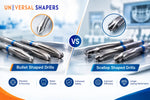
Why Dental Surgeons Prefer Bullet Drill Kits for Controlled Bone Drilling
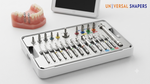
At Universal Shapers, we have seen how the right drill shape can turn a tricky bone preparation into a simple, repeatable step. That is why we designed our bullet drill kits. They help clinicians solve a common problem: how to shape bone precisely for an implant without hurting the surrounding tissue. This post explains why so many surgeons now choose a bullet‑drill system when they need fine control.
The Challenge of Controlled Bone Drilling
Bone is not the same everywhere. The outer layer (cortical bone) is hard and dense. The inner layer (trabecular bone) is softer and has more blood vessels. Moving from one layer to the other without overheating or going off track requires a tool that works well on both types. Good drills must cut cleanly, stay centered, and avoid crushing the bone walls. That is a lot to ask from one rotating tool.
Why Traditional Drills Sometimes Fall Short
Standard twist drills have been used for decades, but they have known problems. They tend to wander when they hit the hard outer bone. This means the final hole can end up slightly wider than planned. They also create friction along the full length of the cutting edge, and friction creates heat. Even with good cooling, too much heat can damage the bone. Also, a conventional drill makes a hole with straight walls. That shape does not match the tapered shape of many modern implants. The surgeon then has to make extra adjustments.
What Happens When Bone Drilling Is Not Precise
Small errors in the shape of the hole cause a chain of problems. If the implant fits loosely, it can move slightly. That delays bone growth around the implant. If the hard outer bone is pressed too hard, it can shrink away. Then you see bone loss on X‑rays sooner than you want. On the outside, a flat or uneven bone makes it harder for the gum tissue to look natural. The crown may look fine on a model, but in the mouth it will not have the gentle curve of a real tooth.
How Bullet Drill Kits Provide a Better Solution
We designed bullet drill kits to fix these problems at the mechanical level. Instead of forcing the surgeon to adapt a straight drill to a shaped implant, our tools cut the exact shape the implant needs. The result is a tight fit that holds the implant steady and protects the surrounding bone.
The Unique Design of a Bullet Drill
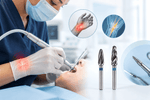
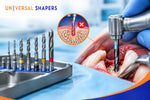
What makes our bullet drill different is its shape. The tip is rounded like a bullet, then it widens slowly and ends with a short flare. This shape cuts a stepped hole in one pass: a narrow bottom part for stability and a wider top part that matches the implant neck. Because most of the cutting happens at the tip, the sides of the drill do not rub hard against the bone wall. That reduces friction and keeps the temperature safe.
Key Benefits for Precise Bone Profiling
One of the most useful features is that the drill collects small bone chips while it cuts. The surgeon saves these chips. Later they are packed around the implant neck. This creates a graft that comes from the patient's own body. No need for a separate donor site.
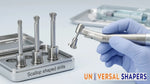
Another benefit is the built‑in flare at the top of the drill. It creates a small release ring in the hard outer bone. This reduces pressure on the bone and keeps blood flow healthy. When we combine bullet drills with our scallop shaped drills that fine‑tune the bone shape, the tissue heals in a way that supports the final crown better. The drills also help control depth. Because the bullet shape widens in known steps, the surgeon can plan the hole size without guessing. Together, these features turn bone shaping from a freehand task into a controlled, repeatable process.
What to Look for in a Quality Surgical Drill Kit
Not all kits are the same. A few details separate a good set from one that wears out quickly.
-
Material and coating: Surgical‑grade stainless steel or titanium coating resists rust and keeps a sharp edge longer. Some of our drills have a diamond‑like coating that reduces friction and cutting temperature.
-
Sharp cutting edges: Dull flutes crush bone instead of cutting it. That causes tiny cracks and extra heat. Check new drills under a magnifier and replace them when they lose their sharpness.
-
Depth markings or stops: Drills with clear laser marks or a physical stop prevent the surgeon from going too deep. This is very important when working near nerves.
-
Compatibility: A good kit works with the implant system your practice already uses. Our Universal Shapers kits work with any implant platform.
-
Ergonomics and organization: Trays that arrange drills in the order of use save time and reduce mistakes. A balanced handpiece connection reduces vibration and hand tiredness.
How Bullet Drills Fit into Modern Implant Workflows
The steps are simple, but order matters. After the pilot drill makes the starting path, we choose a bullet drill that matches the planned implant size. The drill shapes the hole and collects bone chips in one pass. If the outer bone is very hard, we can use special bullet shaped drills to widen the top opening without over‑preparing the softer bone inside. Once the hole is ready, we place the implant and pack the collected bone around the neck. Then a scallop shaped drill fine‑tunes the bone shape so the gum heals with a natural curve.
This sequence works for both freehand and guided surgery. It removes the need for many straight drills, which often wobble and make the hole too large. The predictable shape also shortens the surgery time. We spend less time checking and adjusting.
Conclusion: Is a Bullet Drill Kit Worth the Investment?
A bullet‑drill system is not just another tool. It changes the way we work with bone. By combining hole shaping, cortical release, and scalloped contouring into one organized workflow, our kits reduce heat damage, save natural graft material, and create a bone shape that supports long‑term implant health. For a practice that places implants often, the time savings alone often pay for the kit.
But the real benefit is biological. An implant that sits in a stress‑free, well‑blooded, and accurately shaped hole is an implant that will last. At Universal Shapers, we built our implant osteotomy drills around that idea, and the feedback from doctors confirms it every day. Investing in precise bone shaping tools is an investment in the long‑term health of every patient. We invite you to look at our collection of bullet‑shaped, scallop‑shaped, and cortical‑release drill kits and see the difference for yourself.